Project structure
How to break a car restoration into projects and stages
A clear structure helps you see what is already done, what is missing and what you can work on right now.
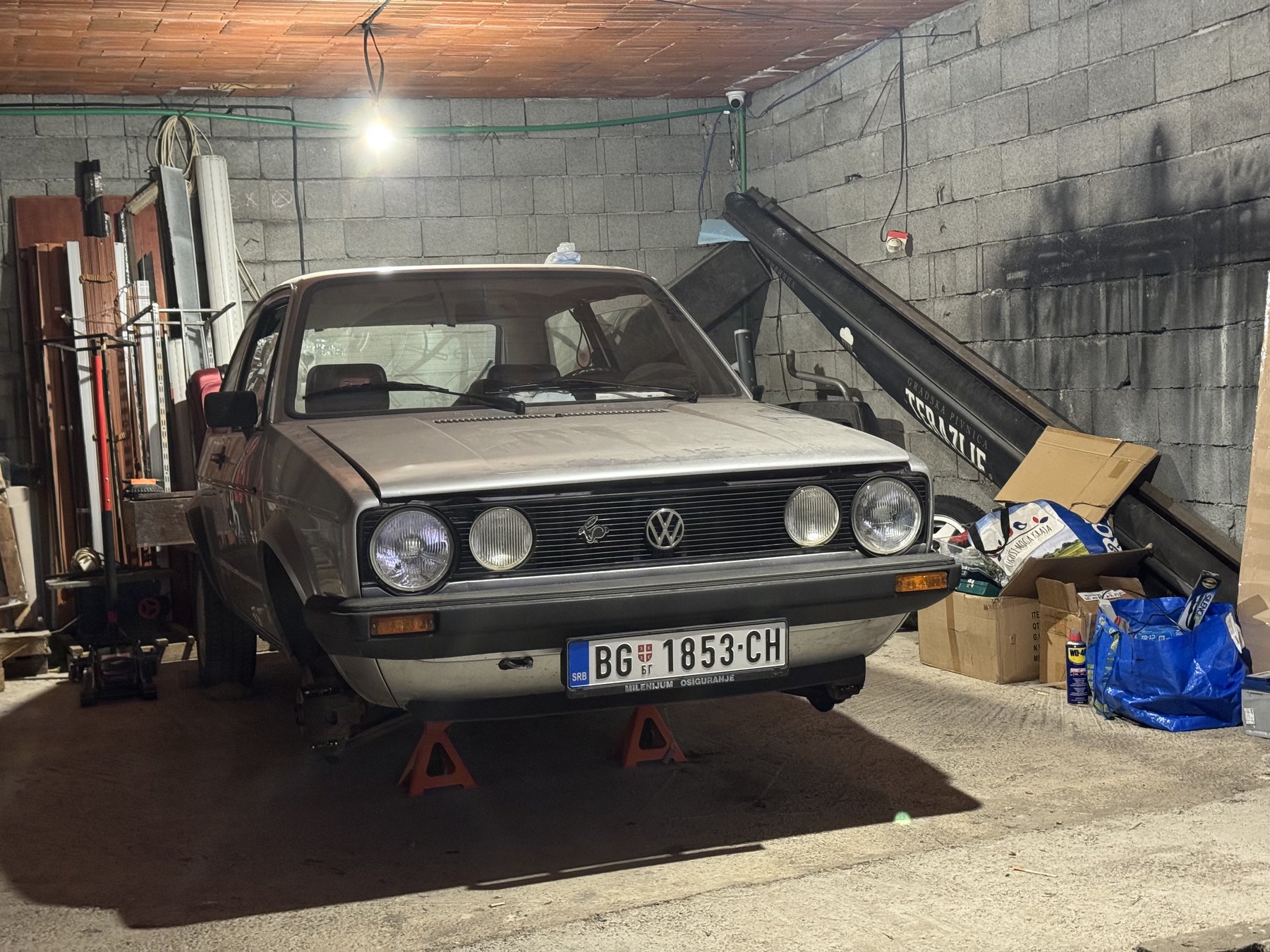
How to split a car restoration into major assemblies and stages, track parallel work and keep the repair history useful.
Even when each operation is clear, a restoration becomes difficult because many streams run at once: body, engine, gearbox, suspension, brakes, electrics, interior, parts orders and outside work.
Start by defining the target: factory condition, a reliable driver, a restomod or another clear result. That choice decides how deep the teardown goes and which jobs truly belong in the project.
Then split the restoration into major assemblies, stages and concrete tasks. You do not need every bolt in the plan from day one; details can be added after teardown and inspection.
Split the restoration by major assemblies
The center of the project is a specific car: model, year, starting condition and desired result. Around it are the major assemblies and work areas.
In Stepwise each major assembly can be handled as its own project inside the car. This is useful when it has its own stages, parts, waiting periods and a clear result.
Small related jobs are usually better kept inside that project, so the structure does not become too fragmented.
Restoration areas
- body
- engine
- gearbox
- suspension
- brakes
- electrics
- interior
Example: Golf Mk1 -> Gearbox project -> Inspection stage -> measurements and parts list.
Use stages that match the real process
A stage should have a checkable result. Gearbox inspection is finished when the unit is opened, parts are cleaned and marked, measurements are taken and the next work list is clear.
Usually the assembly is removed, washed, marked and opened. Then inspection and measurements happen. After that, some work runs in parallel; when everything is ready, assembly and checking begin.
Main stages
- removal
- cleaning and marking
- inspection and measurements
- assembly and checks
- installation and testing
Parallel work after inspection
- ordering parts
- machining and restoration
- cleaning and painting fasteners and brackets
What to do while parts are on the way
If the gearbox is waiting for parts or machining, the whole restoration does not have to stop.
During the wait you can work on fasteners, mounts or another assembly. In Stepwise you can see what is blocked and what can still move today.
Check two things
- what are we waiting for
- what can be done right now
Keep completed work inside the structure
When a task is done, it does not have to disappear from the project. In restoration, completed tasks become the car's history.
A year later the useful part is not just that something was completed, but the technical context: photos, part numbers, measurements, materials and reasons for decisions.
After several years these notes become a restoration record for this exact car, not just an archive of closed tasks.
What to keep in the history
- photos before teardown, during work and after assembly
- part numbers and suppliers
- measurements, clearances and torque values for critical joints
- materials and outside work
- reasons for changing the original decision
- dates and results of final checks
A photo shows the part, but without a note it does not explain what was measured, why it was replaced or how the check ended.
Real Stepwise examples
Public pages with real project photos, stages, tasks and related work for the same vehicle.
-
Volkswagen Golf Mk1 gearbox maintenance project
A complete public project with phases, tasks, photos and parts.
-
Volkswagen Golf Mk1 public restoration projects
A public subject page grouping several projects for the same car.